Implant or bridge? How we choose the restoration for a missing tooth
An implant and a bridge are two proven methods of restoring a missing tooth — the choice depends on the individual clinical situation.
The loss of a single tooth is a common situation that patients come to us with. The empty space left after a tooth is not only a matter of aesthetics — over time it can affect the position of the neighbouring teeth and the bone where the tooth is missing. That is why it is usually worth considering a restoration, and the most frequent question is: implant or bridge?
How does an implant differ from a bridge?
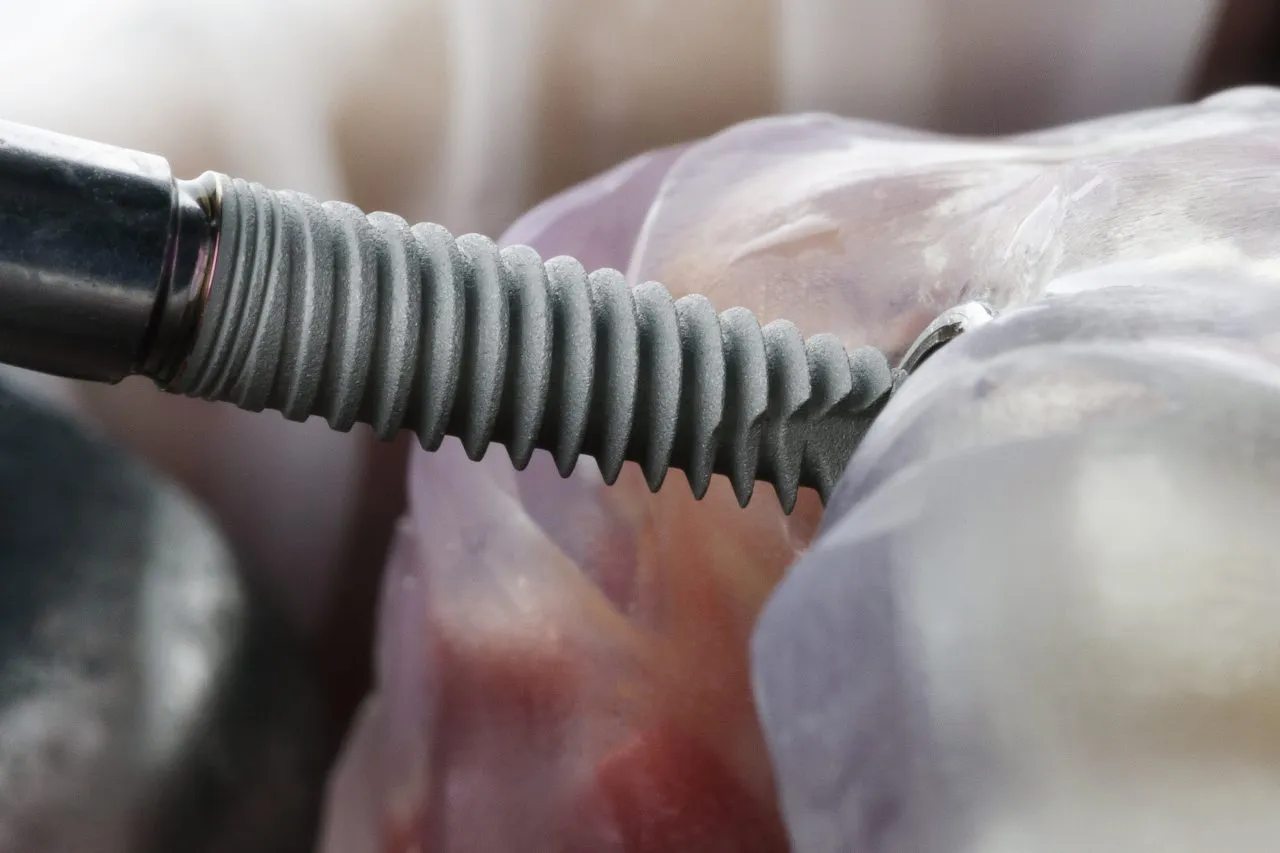
An implant is a titanium fixture placed in the bone, onto which a crown is mounted to recreate the visible part of the tooth. It is a relatively self-contained solution — as a rule it does not require any intervention on the neighbouring teeth.
A bridge, on the other hand, rests on the teeth adjacent to the gap, which are prepared (ground down) so that they can serve as abutments. The missing tooth is recreated in the space between them. It is a method that has been used in dentistry for years and, in some situations, can be a sensible solution.
What does the dentist take into account?
The choice of method is individual. Among other things, the dentist assesses the quantity and quality of the bone where the tooth is missing, the condition of the neighbouring teeth, the patient’s general health and their expectations. Hygiene habits and the treatment plan for the whole mouth also matter.
There is no single solution that is best for everyone — what works for one person may not be optimal for another. That is why the decision is made together with the patient, after an examination and diagnostics.
How does it look at our clinic?
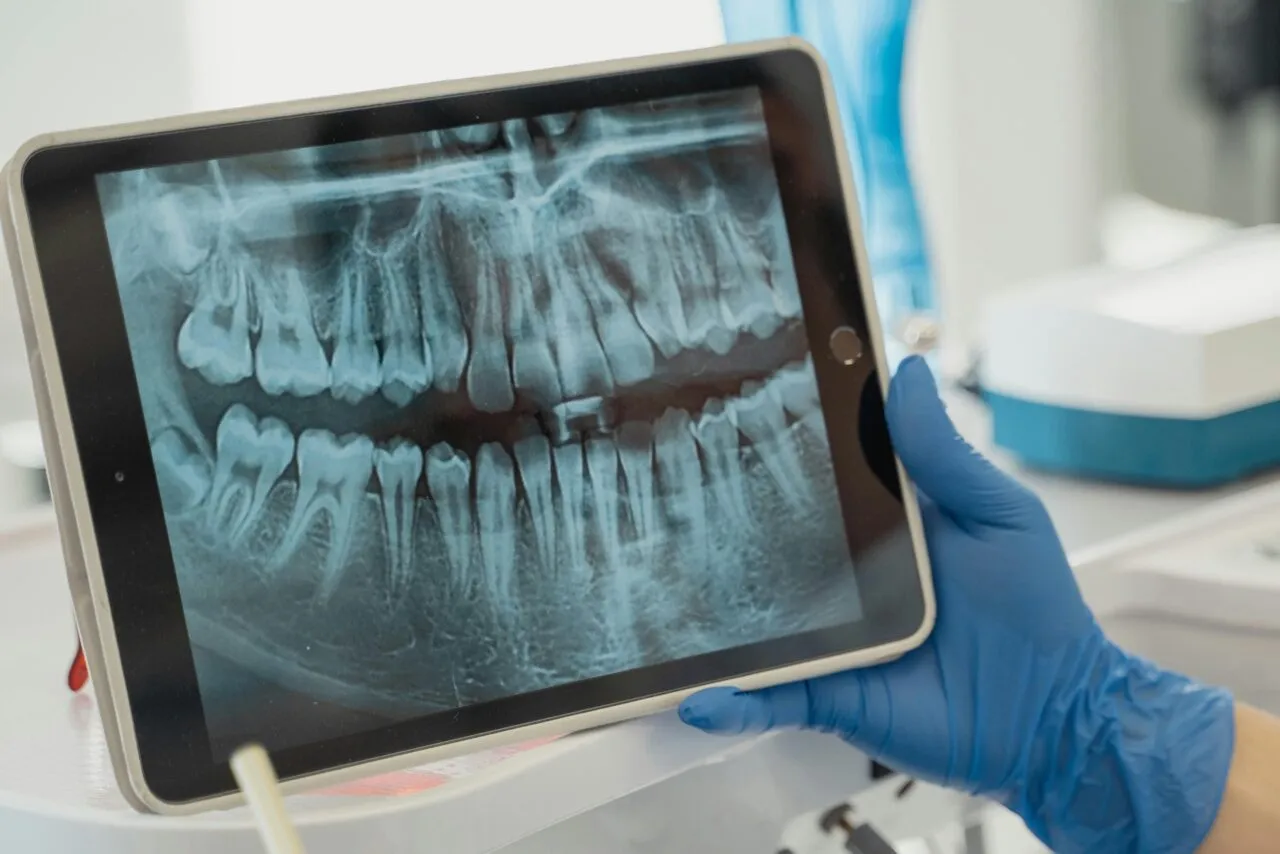
We establish the treatment plan during a consultation, often supported by imaging diagnostics. We present the available options together with their advantages and limitations, so that you can make an informed decision. Most importantly, the chosen method should suit your specific situation.
This article is informational and does not replace a dental consultation. To assess your case, book a visit: 731 216 666.
Have a question about your case?
Book a consultation — we'll assess your situation and present the treatment options.